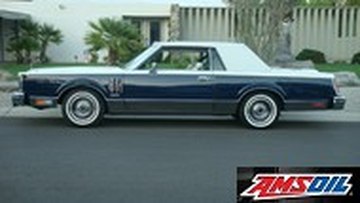
Engine Lubrication and Maintenance for the 1981 Lincoln MARK VI 5.0L
Maintaining a classic luxury vehicle like the 1981 Lincoln MARK VI requires a disciplined approach to routine service. With the 5.0L engine at the heart of this vehicle, consistent attention to lubrication and fluid integrity is essential for long-term operation. Because these vehicles have been in service for several decades, maintenance strategies often shift from simple part replacement to more comprehensive condition monitoring.
Monitoring Fluid Integrity and Potential Leaks
One of the primary tasks during any routine inspection of the 1981 Lincoln MARK VI is checking for signs of fluid loss. Over time, various seals and gaskets may undergo changes in elasticity due to heat cycles and age. When performing a visual inspection, it is useful to look for any evidence of seepage around the engine block or at connection points.
If you notice dark staining or wetness on the underside of components, this can be an indicator that a seal is no longer providing a perfect barrier. Rather than assuming a specific component has failed, observe the pattern of the fluid. For example, a slow seepage might indicate a gasket that is beginning to age, whereas a more active drip warrants immediate investigation to prevent significant fluid loss. Keeping the engine bay relatively clean can also assist in this process, as it makes any new or emerging leaks much easier to identify against the background of the engine.
Observing Changes in Engine Performance and Appearance
Beyond visual inspections for leaks, an owner should remain attentive to how the vehicle behaves during operation. Changes in the way the engine sounds or smells can sometimes be linked to lubrication issues. While many symptoms can have multiple underlying causes, certain observations are worth noting:
- Changes in lubricant appearance: If you check the oil level and notice a significant change in color or texture, it may indicate contamination from other fluids or combustion byproducts.
- Unusual odors: A burning smell during operation can sometimes be associated with oil contacting hot external surfaces, which may suggest a leak that needs addressing.
- Exhaust observations: While exhaust smoke can be caused by many factors, changes in the color or consistency of the exhaust should be investigated to ensure the engine is operating within normal parameters.
It is important to remember that these signs are not definitive diagnoses. They serve as prompts to perform a more thorough inspection or to consult with a professional to determine the exact source of the issue.
Prioritizing Maintenance Based on Current Condition
For an older vehicle, the most effective way to manage maintenance is to prioritize tasks based on the actual condition of the machine rather than relying solely on the age of the car. If you are stepping into ownership of a 1981 Lincoln MARK VI with an incomplete service history, establishing a baseline is a logical first step.
This involves reviewing any available maintenance records to see what has been addressed recently and what may have been overlooked. If no records exist, a comprehensive inspection of all fluids, belts (if equipped), and hoses (if present) can help create a starting point for your service schedule. Addressing active concerns—such as an identified leak or a component showing signs of wear—should always take precedence over general preventive measures. By focusing on the current state of the vehicle, you can allocate resources toward the most impactful maintenance tasks first.
Managing Aging Components and Materials
As vehicles age, the materials used in their construction, such as rubber and various synthetic compounds, may begin to show signs of deterioration. When inspecting the 1981 Lincoln MARK VI, it is practical to look at accessible components that are subject to environmental stress.
If equipped, inspect any visible drive belts for signs of cracking, glazing, or fraying. Similarly, if the vehicle has various rubber hoses present, check them for excessive softness, brittleness, or bulging. These inspections do not necessarily mean parts need immediate replacement, but they provide the data needed to plan future repairs before a component fails during operation. Consistent monitoring allows you to distinguish between a part that is simply old and one that is actively approaching the end of its functional life.
The Role of Clean Lubrication in Engine Health
Engine oil performs several vital roles that are necessary for the continued operation of the 5.0L engine. Beyond simple lubrication, the oil helps to manage heat within the engine and assists in cleaning internal components by carrying away microscopic debris. Over time, even with regular changes, oil can accumulate contaminants that may lead to the formation of deposits or sludge.
Maintaining a clean lubrication system is one of the most effective ways to support the longevity of the engine. This involves not only changing the oil but also ensuring that the filtration system is functioning correctly and that the oil being used is appropriate for the application. Using high-quality lubricants can help manage oxidation and maintain thermal stability, which are critical as the engine operates through various temperature ranges.
Practical Guidance for Buying Engine Oil for your 1981 Lincoln MARK VI 5.0L
When it comes time to replenish your fluids, selecting the correct product is vital. For the 1981 Lincoln MARK VI 5.0L, you should not rely on general automotive knowledge or assumptions based on the vehicle's age to choose a viscosity. Instead, match the engine oil to the application-specific viscosity information already displayed on this webpage.
When you are ready to purchase, consider the following practical steps:
- Verify the Label: Always check the product packaging to ensure it meets the necessary service classifications and that the viscosity matches the requirements listed in your vehicle's documentation.
- Evaluate Formulations: Depending on your specific needs, you may choose between conventional oil, synthetic blends, or full synthetic oils. Some high-mileage oil formulations also contain additives intended for use in aging engines, including seal-conditioning additives that may be beneficial for older seals.
- Check Certification: Ensure the oil carries the appropriate API certification to confirm it meets modern standards for quality and performance.
By following the specific application data provided on this page, you can ensure that your 1981 Lincoln MARK VI receives the exact lubrication required for its engine design.